
Last Updated: October 25, 2026
Quick Summary
To appeal CDTFA audit findings, file a petition for redetermination within 30 days of the Notice of Determination, stating each disputed issue with facts and legal grounds. Filing protects your right to contest the assessment and generally pauses collection on the disputed amount, though interest keeps accruing. You do not have to pay the assessment to file.
- The 30-day petition deadline runs from the date printed on the Notice of Determination, not the envelope date.
- Filing a petition pauses collection on the disputed amount but does not stop interest from accruing.
- Paying the disputed amount does not waive your appeal and stops interest on that amount.
- Organize evidence by issue, not document type, so appeals officers see the finding then the proof.
- The appeals conference is an informal hearing before the CDTFA Appeals Bureau, with no judge or courtroom.
Table of Contents
- What a CDTFA Audit Assessment Means for Your Business
- Filing a CDTFA Petition for Redetermination Before the 30-Day Deadline
- Building Your Case: Evidence and the CDTFA Audit Assessment Protest Letter
- Challenging CDTFA Audit Sampling Methodology and Calculations
- CDTFA Audit Findings Examples and What They Mean for Your Appeal
- Contact Jorge Alesna, Jr. to Review Your CDTFA Appeal Strategy
- Frequently Asked Questions
What a CDTFA Audit Assessment Means for Your Business
A CDTFA audit assessment is a formal bill for sales and use tax the California Department of Tax and Fee Administration says you owe, plus interest and penalties, and you can appeal CDTFA audit findings you disagree with. Our CDTFA sales and use tax audit and appeals page shows how representation works.
Many business owners treat the assessment letter as the end of the story and pay it. In practice, the appeal is where the numbers get tested.
At the Law Office of Jorge Alesna, Jr., we see the same pattern in Kern County contractor and retail audits: the taxpayer accepts the first figure because the paperwork feels overwhelming. Below, we’ll show you how to appeal CDTFA audit findings in five steps, from the first notice to the appeals conference.
From Audit Findings to Notice of Determination
An auditor reviews your sales records, purchase records, and exemption certificates, then issues an audit report. If you disagree, raise issues during the audit.
When the audit closes and the disagreement stands, CDTFA issues a Notice of Determination (NOD) stating the tax, interest, and penalties, and starting your clock.
Here is what the sequence looks like:
| Stage | What Happens | Your Move |
|---|---|---|
| Audit findings | Auditor issues report with proposed changes | Respond with records and objections |
| Notice of Determination | Formal assessment issued with amount due | File a petition within the deadline |
| Appeals conference | Informal hearing before Appeals Bureau | Present evidence and contentions |
| Notice of Decision | Written decision on the petition | Accept or escalate to the Office of Tax Appeals |
The NOD triggers everything that follows. For a fuller walkthrough of the audit stage, see our CDTFA audit guide covering process, triggers, and defense.
Filing a CDTFA Petition for Redetermination Before the 30-Day Deadline
A petition for redetermination is the written request asking CDTFA to reconsider an assessment. It is the first formal step of the appeal and must be filed within 30 days of the Notice of Determination.
Thirty days is short, and it runs from the date on the notice, not the date you opened the envelope. Calendar it the day the NOD arrives.
How to Submit Your Petition Online or by Mail
CDTFA accepts petitions through its online services portal and by mail to the address on the notice. Online filing gives you a timestamp if timing is questioned.
Keep a copy of everything you send. If you file by mail, use a tracked method, a lost petition is the same as no petition.
Filing a bare one-line objection with no facts or contentions gives the Appeals Bureau almost nothing to work with, and you may end up arguing your case for the first time at the conference with no record behind you.
The Appeal Timeline From Assessment to Later Options
Exact dates depend on your notice and the Appeals Bureau’s scheduling, but the sequence is consistent:
| Stage | What Starts the Clock | Typical Timing | Your Move |
|---|---|---|---|
| Notice of Determination | Date printed on the NOD | Day 0 | Calendar the 30-day deadline immediately |
| Petition for redetermination | NOD date | Within 30 days | File petition with facts and contentions |
| Appeals conference | Scheduling by Appeals Bureau | Set by the Bureau after filing | Prepare binder and present contentions |
| Notice of Decision | Conclusion of conference | Issued after the record closes | Review reasoning and decide whether to escalate |
| Office of Tax Appeals | Notice of Decision | Separate deadline stated in the decision | File a timely appeal if you disagree |
Miss the petition deadline and you lose your administrative appeal rights on those issues. Miss the OTA deadline after an unfavorable decision and the administrative path closes. Calendar every date the day you receive the document.
Paying, Collection, and Interest While the Appeal Is Pending
Filing a petition generally pauses collection activity on the disputed amount while the appeal is pending, but it does not stop interest from accruing. A few practical points:
- Paying does not waive your appeal. You can pay the disputed amount and still pursue the petition; paying stops interest on that amount and simplifies collection.
- Not paying preserves cash but keeps interest running. Confirm in writing what collection activity is paused and what is not.
- Penalties are separate from tax. You can dispute the tax, the penalties, or both. Penalty relief often turns on reasonable cause, so build that record early.
The petition protects your right to contest the assessment. It does not freeze interest. Decide early whether to pay the disputed amount to stop interest or hold cash and manage the exposure, and get the account status confirmed in writing.
If a finding involves personal liability or a dual determination, our CDTFA responsible person assessment and dual determination page explains how those disputes are structured.
Building Your Case: Evidence and the CDTFA Audit Assessment Protest Letter
The petition is the doorway; the evidence is the case. A CDTFA audit assessment protest letter or petition attachment should tie each disputed finding to a specific record supporting your position.
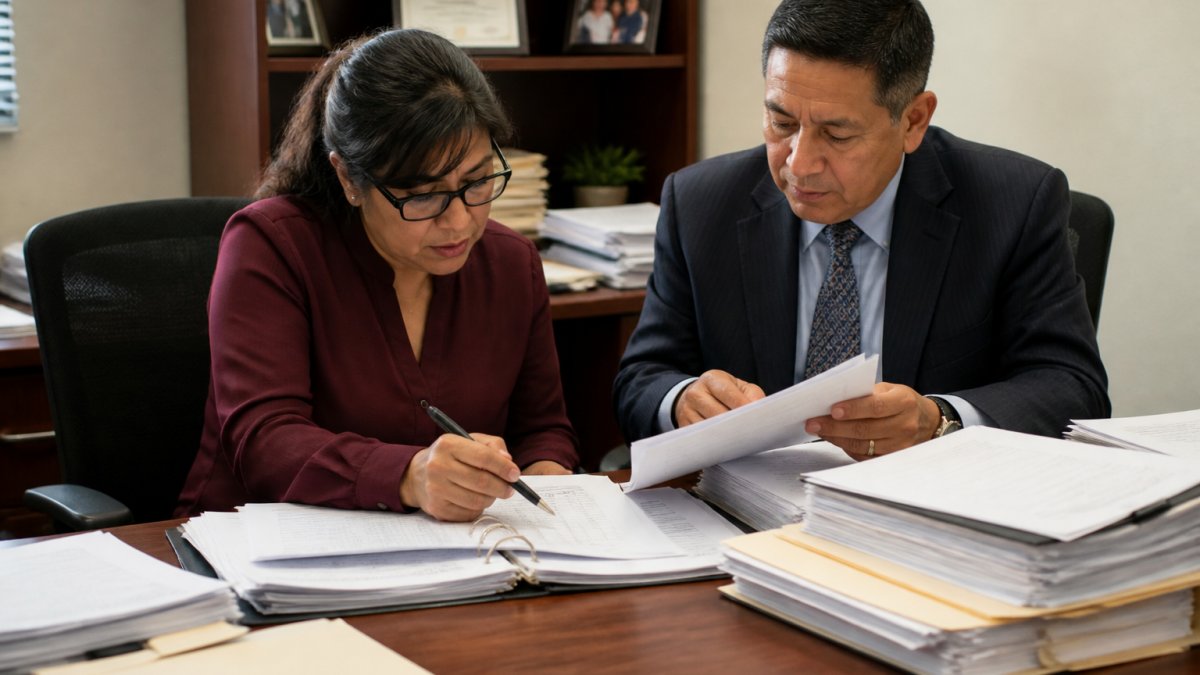
Organize evidence by issue, not document type, auditors and appeals officers want the finding, then the proof.
An Evidence Checklist Organized by Common Audit Issue
Use this as a working list. Not every item applies to every audit.
- Unreported sales: bank statements, merchant processor reports, and daily sales summaries reconciled to returns
- Exemption certificates: signed and dated certificates for each claimed exempt sale, matched to the customer
- Resale claims: resale certificates and evidence the buyer resold the property
If a finding involves personal liability or a dual determination, our CDTFA responsible person assessment and dual determination page explains how those disputes are structured.
Challenging CDTFA Audit Sampling Methodology and Calculations
CDTFA audit sampling methodology is where many appeals are won or lost. When an auditor cannot review every transaction, they may sample and project the error rate across the audit period, producing a large assessment from a small test. You can challenge that. Ask: Was the sample large enough to be reliable? Were the sampled periods typical, or did they include an unusual spike?
CDTFA Audit Findings Examples and What They Mean for Your Appeal
The most common findings fall into a few buckets, each pointing to a different appeal strategy.
| Finding | What It Usually Means | Appeal Angle |
|---|---|---|
| Unreported sales from bank deposits | Auditor matched deposits to reported sales and found a gap | Show non-taxable deposits, transfers, or loans |
| Disallowed exemption certificates | Certificates missing, incomplete, or unsigned | Produce valid certificates or proof of resale |
| Estimated assessment | Records deemed inadequate | Rebut the estimate with reconstructed records |
| Sampling projection | Error rate applied across the period | Challenge sample size, period, and method |
| Penalties | Added for late filing or underpayment | Argue reasonable cause |
A finding is not automatically correct. It is a position the agency took, and each type has a known line of attack.
Appeals Conference Preparation and What Happens Next
The appeals conference is an informal hearing before the CDTFA Appeals Bureau, no judge, no courtroom. The assigned appeals officer runs the meeting, the auditor typically attends, and you or your representative present the disputed issues.
Treat the conference as a working meeting, not a trial. The appeals officer is trying to understand whether the audit findings are supported. Clear, indexed evidence and a short written summary of your contentions do more than lengthy argument.
Who participates. Expect the appeals officer, the auditor (or an audit division representative), you, and any representative or witness you bring. In responsible person or dual determination cases, the person named may also need to participate. Confirm the list in advance.
How to present contentions. Lead with your three strongest points, in the same order as your petition. For each issue, state the finding, the record that contradicts it, and the correction you want. If the auditor used a sample, walk through the sample size, test period, and projection method; if an exemption was disallowed, show the certificate matched to the customer and transaction. Don’t save your best argument for the end, the appeals officer is building a record as you go.
Questions to expect. The appeals officer will likely ask why records weren’t provided during the audit, whether the sample period was typical, how you reconstructed missing records, and whether you dispute the tax, the penalties, or both.
After the conference. The Appeals Bureau issues a Notice of Decision granting the petition in full, in part, or denying it. Our California Office of Tax Appeals attorney page explains how an OTA case proceeds and who can represent you there.
Filing a petition generally pauses collection activity on the disputed amount while the appeal is pending, but interest can keep running. Ask about the specific status of your account rather than assuming, and confirm in writing what is and is not paused.
Contact Jorge Alesna, Jr. to Review Your CDTFA Appeal Strategy
The 30-day window does not wait, and the strongest arguments are built before the conference, not during it. If you have a Notice of Determination in hand or an audit heading toward one, the next step is a conversation about your options. We handle CDTFA audits, petitions for redetermination, and appeals before the Office of Tax Appeals, building the evidence file issue by issue so the record supports the argument. You can also request a confidential legal consultation to have your appeal strategy reviewed.
Frequently Asked Questions
How do I appeal CDTFA audit findings?
You appeal by filing a petition for redetermination with the CDTFA within 30 days of the Notice of Determination. The petition should state your contentions, include supporting documentation such as sales records and exemption certificates, and be submitted online through CDTFA online services or by mail. After filing, you can request an appeals conference. If the decision is unfavorable, further review may be available through the Office of Tax Appeals.
What documents should I gather to challenge a CDTFA audit?
Gather business records that directly address the audit findings: sales records, purchase records, invoices, exemption certificates, tax returns, and the audit workpapers. Organize them by the specific issue in dispute, such as unreported sales or disallowed exemptions. If the audit used sampling, request the sampling details and compare them against your records. A clear, indexed set of documents makes your petition and appeals conference far more effective.
Can I challenge a CDTFA audit sampling methodology?
Yes. Sampling is a common source of estimated assessments, and you can challenge whether the sample was representative or the projection was applied correctly. Review the audit workpapers to see how the sample was selected and extrapolated. Point out errors, missing transactions, or skewed periods. Supporting documentation that shows actual taxable sales differ from the estimate strengthens the challenge. An attorney can help identify methodological flaws in the assessment.
What happens after I file a CDTFA appeal?
After you file a petition for redetermination, the CDTFA reviews it and may schedule an appeals conference. At the conference you present your contentions and evidence. The Appeals Bureau then issues a Notice of Decision. If you disagree, you may have further appeal options, including the Office of Tax Appeals. Keep in mind that penalties and interest may continue to accrue while the dispute is pending, so address payment and collection issues early.
A CDTFA assessment is a deadline problem before it is a legal problem. The business owners who do well are the ones who treat the Notice of Determination as the start of a process rather than a final bill. If you are facing an audit assessment, a petition deadline, or an appeals conference, get the file reviewed while you still have room to act. Contact the Law Office of Jorge Alesna, Jr. to get started on your appeal.
